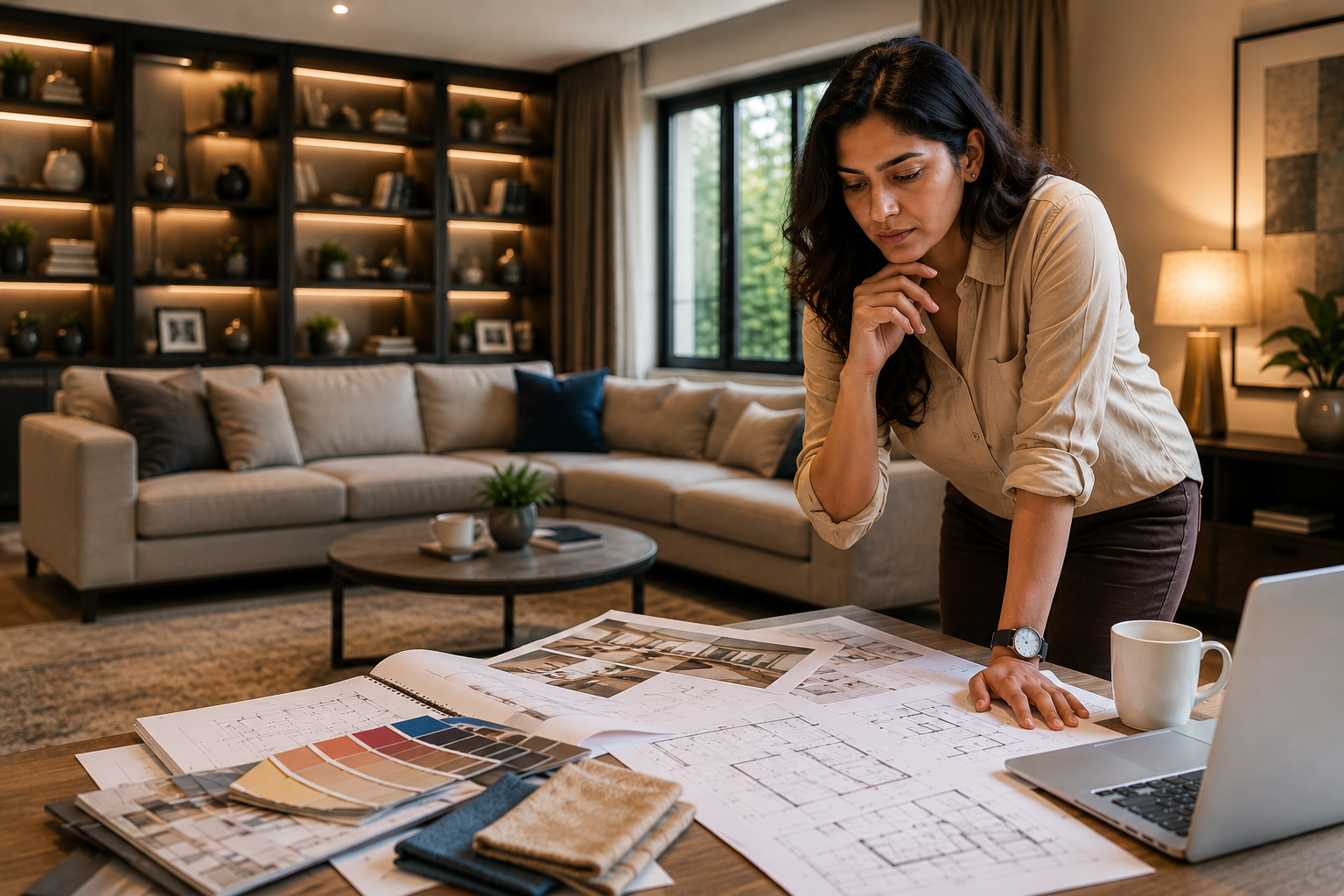
 Most Homeowners Don’t Regret What They Bought—They Regret What They Didn’t Plan
When homeowners think about interior design mistakes, they often imagine choosing the wrong sofa, paint color, or flooring material. In reality, those decisions are rarely the ones that cause long-term frustration.
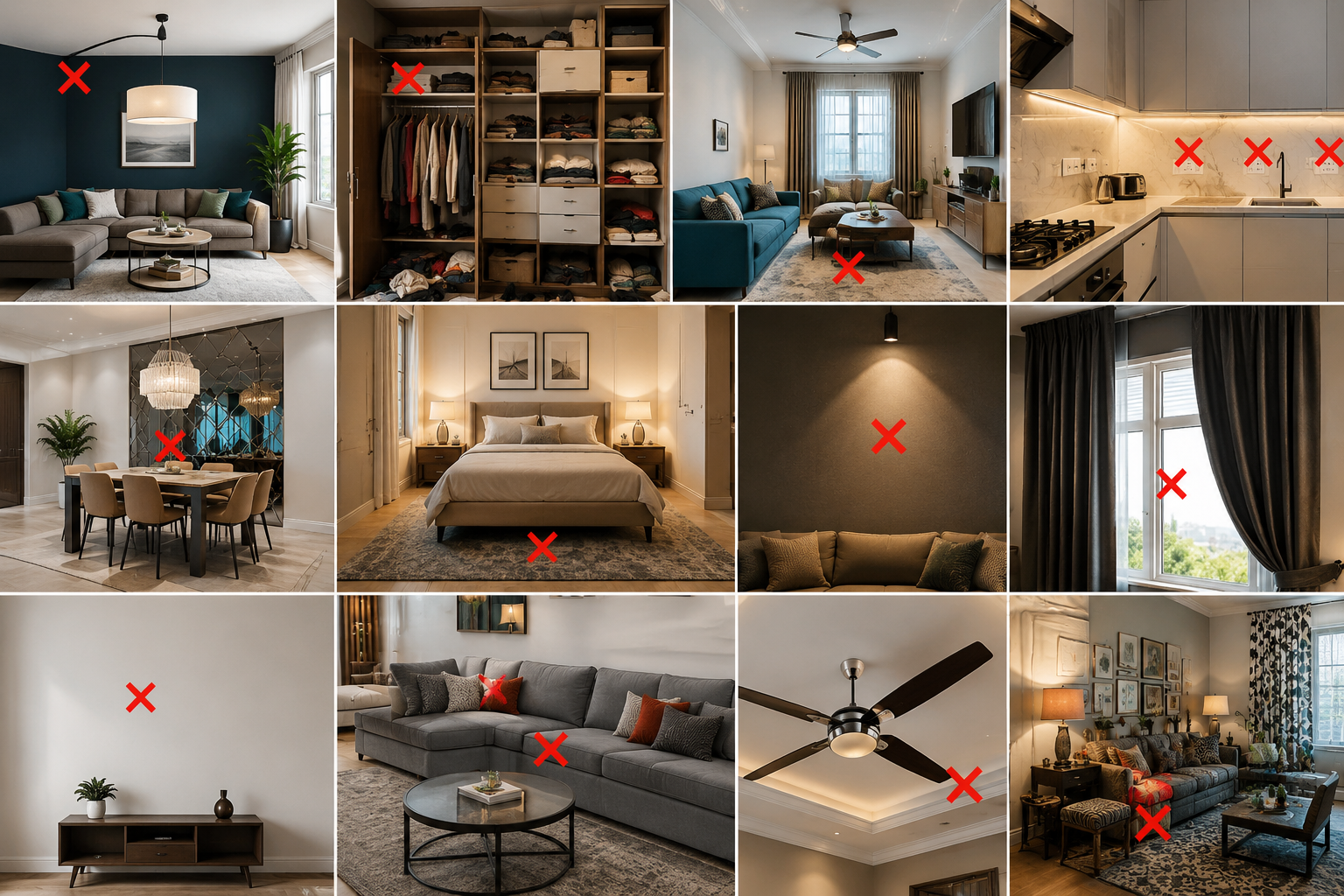
The biggest regrets usually come from things that weren't planned properly.A wardrobe that doesn't have enough storage. A kitchen where appliance points are in the wrong places. A living room that looks beautiful in photos but feels cramped during everyday use.These issues may seem minor during construction, but they become daily inconveniences after moving in.Over the years, interior designers have noticed a common pattern: homeowners rarely overspend because they choose premium materials. They overspend because of poor planning, rushed decisions, and avoidable mistakes.If you're building a new home or planning a renovation, here are ten interior design mistakes worth avoiding.
1. Falling in Love With Designs Before Understanding Your Space
Social media has made interior inspiration more accessible than ever. Homeowners save hundreds of images from Pinterest, Instagram, and design websites hoping to recreate the same look in their own homes.The problem is that every home is different.A design that works beautifully in a large villa may not function well in a compact apartment.
How to Avoid It
Before selecting finishes, furniture, or décor, understand how your family will actually use the space.Great interior design starts with functionality. Beauty comes after.
 2. Underestimating Storage Requirements
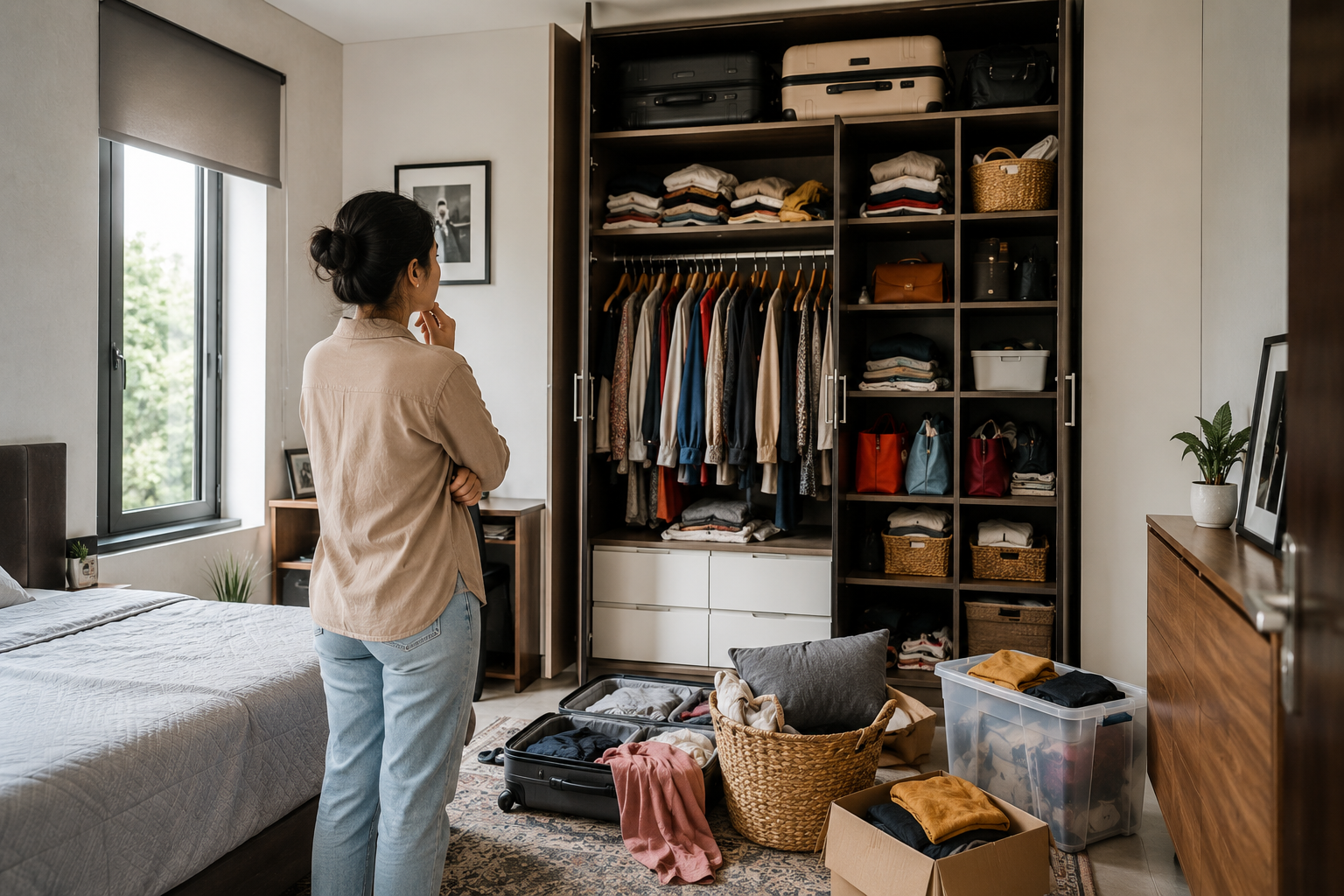
Storage is often treated as an afterthought during home planning.Initially, a few wardrobes and cabinets may seem sufficient. But once you move in, reality sets in.Seasonal clothing, luggage, kitchen appliances, household essentials, documents, and children's belongings all need dedicated storage.
How to Avoid It
Instead of asking:"How many wardrobes do I need?"
Ask:"How much storage will my family need three to five years from now?"Planning for future needs helps avoid expensive modifications later.
3. Buying Furniture Before Finalizing Layouts
Many homeowners purchase furniture early because they find a good deal or fall in love with a design.Unfortunately, furniture purchased before layout planning often creates problems later.It may block movement, reduce functionality, or make rooms feel crowded.
How to Avoid It
Finalize room layouts before purchasing furniture. Professional interior designers typically create detailed furniture plans first and recommend purchases later. This ensures every piece fits both visually and functionally.
4. Treating Lighting as an Afterthought
Lighting has a bigger impact on a home's appearance than many people realize.Even beautifully designed spaces can feel dull, uncomfortable, or uninviting if lighting isn't planned correctly.Many homes rely on a single ceiling light, creating harsh shadows and flat-looking interiors.
How to Avoid It
Use layered lighting:
Ambient lighting for overall illumination
Task lighting for activities
Accent lighting for aesthetics and mood
The combination creates depth, comfort, and functionality.
5. Designing for Guests Instead of Everyday Living
It's natural to want your home to impress visitors.However, many homeowners prioritize appearance over practicality.A beautiful home that doesn't support daily routines quickly becomes frustrating.
How to Avoid It
Ask practical questions during planning:
Where will school bags be stored?
Where will phone chargers stay?
Is there enough storage near the entrance?
Can family members move comfortably through the space?
A successful home works well every day—not just when guests arrive.
6. Ignoring Electrical Planning
Electrical planning is one of the least exciting parts of a project. Unfortunately, it's also one of the most important.Poorly placed switches, insufficient outlets, and forgotten appliance points become major inconveniences after moving in.
How to Avoid It
Plan electrical requirements for:
Work-from-home spaces
Mobile charging stations
Kitchen appliances
Entertainment systems
Smart home devices
Future technology upgrades
Making changes on paper is far easier than modifying completed walls.
7. Following Every Interior Design Trend
Trends can be inspiring, but they shouldn't dictate every design decision. What feels modern today may feel outdated in a few years.Homes are long-term investments. Trends are temporary.
How to Avoid It
Build your home around timeless elements:
Neutral color palettes
Functional layouts
Quality materials
Classic finishes
Add trends through décor, artwork, cushions, and accessories that can easily be updated later.
8. Blocking Natural Light
Natural light influences mood, comfort, and the overall feel of a home.Many homeowners unintentionally reduce it through heavy curtains, dark finishes, oversized furniture, or poor space planning.
How to Avoid It
Treat natural light as a design feature. Position furniture thoughtfully, choose appropriate window treatments, and maximize daylight wherever possible.Natural light makes spaces feel larger, brighter, and more welcoming.
9. Prioritizing Appearance Over Comfort
Not everything that looks luxurious feels comfortable.An elegant chair can become uncomfortable after ten minutes.A stunning living room can be impractical for daily family life.The best interiors balance aesthetics and usability.
How to Avoid It
Before purchasing furniture or finishes, ask:"Will this still work for me five years from now?" If the answer is yes, it's likely a smart investment.
10. Trying to Manage Everything Alone
Many homeowners see hiring an interior designer as an additional expense.
In reality, professional guidance often saves money.Designers help prevent costly mistakes, unnecessary purchases, construction delays, and poor planning decisions.
How to Avoid It
Work with professionals early in the process.The right designer helps you make better decisions before money is spent—not after mistakes have already happened.
Why Interior Design Planning Saves More Money Than Expensive Materials
One of the biggest misconceptions about interior design is that spending more automatically creates better results. In reality, thoughtful planning delivers greater value than expensive finishes. A well-planned home with efficient storage, proper lighting, smart electrical layouts, and functional furniture placement often feels more luxurious than a poorly planned home filled with premium materials.Good design isn't about spending more. It's about spending wisely.
Final Thoughts
Most interior design mistakes don't happen because homeowners make bad decisions.They happen because important decisions are made too late.A successful home isn't necessarily the most expensive one. It's the one that feels comfortable, functional, and thoughtfully designed around the people living in it.Before choosing colors, furniture, or décor, take the time to understand how your home needs to work.Because the best interior design isn't about following trends.It's about creating a home that fits your life.
Frequently Asked Questions (FAQs)
1. What is the most common interior design mistake?
Prioritizing aesthetics before functionality is one of the most common mistakes homeowners make.
2. How much storage should a home have?
Plan for future needs rather than current requirements. Most homeowners underestimate storage requirements.
3. When should I hire an interior designer?
Ideally before construction begins, so layouts, lighting, storage, and electrical plans can be optimized from the start.
4. Why is lighting important in interior design?
Lighting affects mood, comfort, functionality, and the overall appearance of a space.
5. Can good interior design increase property value?
Yes. Well-planned interiors improve buyer appeal, functionality, and perceived value.
6. How do I choose a timeless interior design style?
Focus on neutral colors, quality materials, and functional layouts while incorporating trends through accessories.
7. Why do renovation budgets often exceed expectations?
Budget overruns usually occur due to poor planning, design changes, and unexpected modifications during construction.
8. Is custom furniture worth it?
Custom furniture can improve space utilization, storage, and functionality, especially in compact homes.
9. How important is electrical planning?
Extremely important. Poor electrical planning often leads to costly changes after construction is complete.
10. What should I prioritize first when designing a home?
Start with functionality, layout planning, storage requirements, and daily lifestyle needs before focusing on aesthetics.Bought—They Regret What They Didn’t Plan